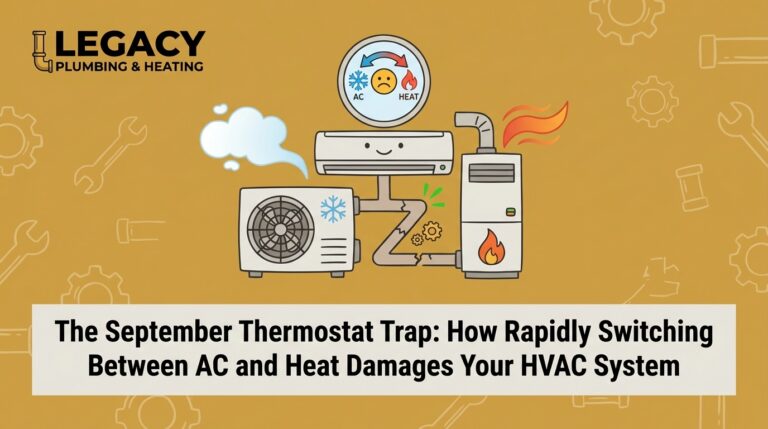
Thermostat setbacks lower the temperature when you sleep or leave, then warm the house back up later. In mild climates large setbacks often save energy; in Fargo winters, aggressive setbacks can make the furnace work harder to recover — especially on the coldest nights.
What thermostat setback strategy works here?
Modest setbacks (often a few degrees) with a realistic recovery window usually beat dramatic overnight drops that force a long morning catch-up in subzero weather. Heat pumps and dual-fuel systems may need different schedules than simple gas furnaces.
When should you adjust the schedule?
Adjust when mornings feel icy despite a “smart” schedule, when recovery takes hours, or when you added a heat pump and the old furnace-era program no longer fits. Also revisit schedules after insulation or window upgrades change how fast the house loses heat.
- Use smaller setbacks during deep freezes.
- Keep recovery time long enough for your system size.
- Do not fight a miscalibrated thermostat with bigger swings.
Failure modes
Huge setbacks, conflicting schedules on dual-fuel systems, dead thermostat batteries, and poor sensor placement (sunny walls, drafty halls) create comfort complaints that look like “furnace problems.” Short cycling during recovery can also wear equipment.
EEAT note
Legacy Plumbing, Heating & Air helps homeowners match controls to equipment — furnace, boiler, heat pump, or dual fuel. See thermostat and dual fuel definitions, and remember that transparent flat-rate service starts with diagnosis, not gadget hype.
Action
This week: write down your current schedule, try a milder setback for three cold mornings, and note recovery time. For control upgrades or system issues, visit thermostats, heating repair & service, or contact Legacy Plumbing, Heating & Air.