Are You Risking a Winter Catastrophe with an Aging Furnace?
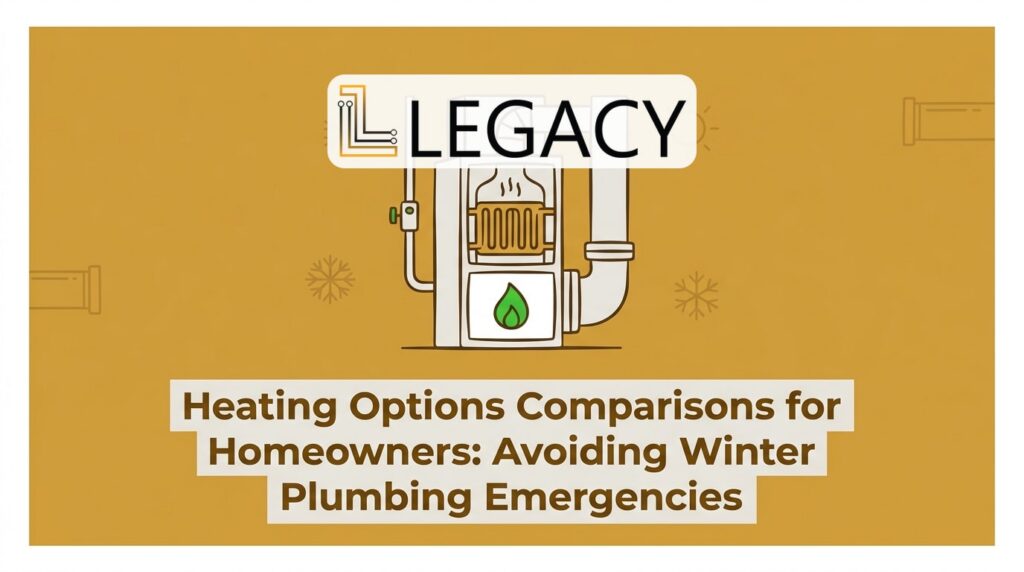
Here at Legacy Plumbing & Heating, we regularly speak with Fargo residents who are actively exploring options comparisons for homeowners because they aren’t entirely sure if their aging gas furnace can survive another brutal winter. When you switch your thermostat from cooling to heating for the first time in the fall and immediately hear strange grinding noises or smell burning dust, that hesitation is completely natural. As you focus on your November pre-winter readiness checklist, deciding whether to patch up a 12-plus-year-old system for one more year or invest in a proactive replacement is one of the most critical choices you will make for your property. Losing heat in sub-zero temperatures is not merely a temporary comfort issue; it quickly escalates into a severe property and safety emergency.
In our years serving the local community, we’ve seen firsthand how most homeowners don’t realize that a sudden furnace failure directly leads to catastrophic secondary issues when indoor temperatures plummet. Without a steady supply of heat, the structural envelope of your home cools rapidly, leaving vulnerable water lines exposed to freezing air. Once those pipes freeze solid, the expansion of the ice exerts immense pressure on the metal or plastic, eventually causing it to rupture. When the ambient temperature eventually rises and those pipes thaw, the resulting leaks can easily overwhelm your basement drainage systems and cause extensive water damage. If you find yourself dealing with the sudden aftermath of a heating failure, you need reliable frozen pipe repair and robust sump pump services to mitigate the crisis and protect your home.
The hidden costs of waiting:
- Increased energy bills: Aging furnaces lose their efficiency, meaning they burn more fuel just to produce the same amount of heat.
- Secondary property damage: The cost of mitigating water damage from burst pipes often far exceeds the cost of a new heating system.
- Emergency service fees: Waiting for a total breakdown usually guarantees it will happen on a weekend or holiday, limiting your options and increasing your stress.
Why ‘Wait and See’ is Dangerous for Local Heating Systems
If you search for generic heating advice online, you will often find articles suggesting you should simply run your furnace until it completely dies. While that “wait and see” approach might be perfectly acceptable in mild southern climates, our team knows it is incredibly dangerous for Fargo and Red River Valley area homes. With extreme winter cold frequently dropping well below zero, reliable heating is a critical life-safety requirement, not an optional luxury. An inconsistent furnace that struggles to maintain temperature is a massive liability when the wind chill pushes the effective outdoor temperature to dangerous extremes.
The timeline of pre-winter home preparation is unforgiving in northern climates. November serves as your final window of opportunity to make calculated, proactive decisions before the deep freezes set in during December and January. Once the ground freezes solid and the daily high temperatures fail to break the single digits, your home’s thermal mass drops significantly. If your furnace shuts down during a January blizzard, your house will rapidly lose its residual heat. Within hours, the interior temperature can drop below freezing, putting every plumbing fixture, water line, and appliance at risk.
Why proactive replacement outweighs risky patches:
- Predictable reliability: A new system gives you the peace of mind that when the thermostat calls for heat, the furnace will ignite and run without hesitation.
- Safer operation: Older gas furnaces are prone to cracked heat exchangers, which can leak dangerous carbon monoxide into your living spaces.
- Controlled scheduling: Replacing a furnace proactively in November means you choose the installation date, rather than scrambling to find an available technician during a mid-winter deep freeze.
One pattern our technicians at Legacy Plumbing & Heating see frequently is homeowners sinking substantial funds into replacing a blower motor or control board on a 15-year-old unit, only to have a different, more critical component fail three weeks later. In our severe climate, the math heavily favors prioritizing absolute reliability over trying to squeeze a few more months out of failing equipment.
Repair vs. Replace: Key Options Comparisons for Homeowners
Making the right call on your heating system requires a structured framework so you can evaluate your current equipment objectively. In our experience, the most widely accepted industry standard is the 50% rule: if the cost of a repair equals or exceeds half the price of a new system, and the unit is nearing the end of its expected lifespan, proactive replacement is almost always the safer financial choice. This rule helps remove the emotion from the decision and focuses entirely on long-term value and reliability.
As you evaluate your November pre-winter readiness, consider how your current furnace stacks up against the benefits of modern technology. A gas furnace typically has a reliable lifespan of 15 to 20 years. Once a unit crosses that threshold, its efficiency begins to drop significantly, and the frequency of breakdowns accelerates. Warning signs like strange rattling noises, uneven heating across different rooms, and frequent short-cycling (turning on and off rapidly) are all indicators that the system is struggling to keep up with demand.
| Decision Factor | Repairing an Aging Furnace | Proactive System Replacement |
|---|---|---|
| Upfront Investment | Lower immediate cost, but highly unpredictable long-term expenses. | Higher initial investment, but locked-in reliability and warranty protection. |
| Energy Efficiency | Continues to operate at a degraded efficiency, leading to higher monthly utility bills. | Operates at peak AFUE ratings, significantly reducing monthly energy consumption. |
| Breakdown Risk | High risk of subsequent component failures during peak winter cold. | Minimal risk of failure, ensuring your home remains safe and warm. |
| Plumbing Protection | Leaves your water lines vulnerable if the aging system fails overnight. | Provides consistent, reliable ambient heat to prevent frozen and burst pipes. |
Evaluating Gas Furnace Lifespans
The 15 to 20-year mark is the critical window where performance drops become noticeable and unavoidable. Even with meticulous maintenance, the internal components of a gas furnace—such as the heat exchanger, burners, and blower motor—experience significant thermal fatigue over thousands of heating cycles. Age compounds the risk of sudden failure during peak cold. A 16-year-old furnace might run fine on a mild fall day, but when forced to run continuously during a multi-day sub-zero stretch, the added stress often causes weakened components to snap or burn out entirely.
Weighing High-Efficiency Upgrades
Upgrading to a high-efficiency furnace does more than just keep your home warm; it fundamentally changes your home’s energy profile. Modern furnaces feature impressive Annual Fuel Utilization Efficiency (AFUE) ratings, meaning they convert a much higher percentage of the fuel they consume directly into usable heat. Older units often vent a significant portion of their heat out the exhaust flue. Furthermore, federal tax credits may apply to qualifying high-efficiency heating installations, helping to offset the initial investment while you enjoy the long-term energy savings. Always verify current incentive programs with your utility provider or a tax professional to see what generic rebates you might qualify for.

The Domino Effect: When Heating Failure Leads to Plumbing Disasters
It is impossible to separate the health of your heating system from the safety of your plumbing. The two systems are deeply intertwined, especially in Fargo and Red River Valley area homes. When your furnace breaks down, the immediate consequence is a rapid drop in indoor temperatures. Depending on the quality of your home’s insulation and the severity of the outdoor weather, your interior spaces can reach freezing temperatures in a surprisingly short amount of time.
Once the ambient temperature drops below 32 degrees Fahrenheit, the water sitting idle inside your supply lines begins to freeze. Water expands as it turns to ice, creating immense hydrostatic pressure inside the pipe. This pressure will find the weakest point in the line—often a joint or a fitting—and blow it apart. The true disaster begins when the house eventually warms back up. The ice plug melts, and full municipal water pressure rushes through the broken pipe, flooding your walls, ceilings, or basement.
Understanding the difference in severity:
There is a massive difference between a minor plumbing annoyance and a true 24-hour emergency. A dripping faucet or a slow-draining sink is frustrating, but it won’t destroy your drywall. A burst pipe actively pouring hundreds of gallons of water into your living room is a catastrophic event. Knowing exactly what constitutes a plumbing emergency helps you act decisively when seconds count. The extensive water damage associated with burst winter pipes can ruin flooring, destroy sentimental belongings, and lead to dangerous mold growth if not mitigated quickly.
If you find yourself facing this worst-case scenario because of a heating failure, fast, professional response is essential. Shutting off your main water valve is the first step, but you need an expert team to assess the damage, repair the ruptured lines, and ensure the rest of your plumbing system is structurally sound before turning the water back on.
Comprehensive Winter Prep for Your Plumbing and HVAC Systems
Protecting your home requires looking at the big picture. As you finalize your November pre-winter readiness, you must address both your heating and plumbing infrastructure to ensure they can withstand the coming freeze. Taking proactive steps now prevents frantic emergency calls later.
Your essential pre-winter checklist:
- Schedule a thorough HVAC inspection: Have a licensed technician evaluate your furnace’s heat exchanger, clean the burners, test the safety switches, and verify the overall system performance before the first major snowstorm.
- Clear your main lines with professional sewer jetting: Tree roots and debris can cause slow drains. Once the ground freezes solid, addressing a backed-up sewer line becomes significantly more difficult. Scheduling professional sewer jetting now ensures your wastewater flows freely all winter long.
- Insulate exposed plumbing: Walk through your basement, crawlspaces, and any unheated utility rooms. Apply foam pipe insulation to any exposed water supply lines to provide an extra layer of thermal protection against sudden drafts.
- Test your sump pump: Winter thaws happen. Ensure your sump pump is fully operational and the discharge line is clear of ice so it can safely move water away from your foundation.
- Locate your main water shut-off: Make sure every adult in the household knows exactly where the main water valve is located and how to turn it off in the event of a burst pipe.
Having a trusted, reliable local team on speed dial is paramount. When you choose to work with our team at Legacy Plumbing & Heating—recognized as the ‘Best of the Best’ in Fargo—you are choosing a partner with a proven track record of excellence. That level of community trust is invaluable when you are facing high-stakes decisions about your home’s critical infrastructure. We pride ourselves on providing honest assessments, never high-pressure sales tactics.
Frequently Asked Questions About Winter Heating and Plumbing Emergencies
When should I replace my furnace instead of repairing it?
You should replace your furnace if the repair costs exceed 50% of the price of a new unit, especially if the system is aging. Applying this 50% rule helps homeowners avoid pouring money into failing equipment. If your unit is over 15 years old, requires frequent service calls, or struggles to maintain a consistent temperature, proactive replacement is the most financially sound and reliable choice for your home.
What are the risks of waiting to replace a failing furnace?
The primary risk of waiting is the immediate danger of sub-zero indoor temperatures leading to frozen and burst pipes. When a furnace fails in the middle of winter, your home loses its thermal defense rapidly. This high likelihood of frozen plumbing means a simple heating failure quickly escalates into an expensive emergency requiring extensive water damage mitigation and plumbing intervention.
Is it worth repairing a 15-year-old furnace?
Generally, repairing a 15-year-old furnace is not a wise long-term investment due to the significant drop in energy efficiency (AFUE) in older models. As furnaces age past the 15-year mark, internal components suffer from thermal fatigue, and replacement parts become much harder to source. This difficulty in finding parts can prolong dangerous downtime during peak winter cold, leaving your home vulnerable.
How do I know if my furnace needs replacing before winter?
You know your furnace needs replacing if you notice warning signs like strange banging noises, uneven heating across different rooms, and frequent short-cycling. These symptoms indicate that the system is failing to operate efficiently and is under immense strain. Our Legacy Plumbing & Heating technicians strongly advise scheduling a professional assessment during the fall months so you can make an informed decision before the severe weather arrives.
What constitutes a true 24-hour plumbing emergency?
A true 24-hour plumbing emergency involves situations that threaten immediate property damage, such as active flooding, burst pipes from freezing, or a total loss of water or heat. These events require immediate professional intervention to stop the flow of water and mitigate structural damage. We contrast this with non-emergencies, like slow drains or minor dripping faucets, which can safely wait for a scheduled daytime appointment.
How can I protect my pipes if my heating system fails?
If your heat fails, immediately open under-sink cabinet doors to allow warmer room air to circulate around hidden pipes, and leave your faucets dripping slightly to relieve pressure. Moving water is much harder to freeze. If indoor temperatures are dropping rapidly and freezing is imminent, locate and shut off your main water valve entirely, then open all fixtures to drain the lines. Once secured, urge immediate contact with an emergency repair service to restore your heat.
Make Your Pre-Winter Heating Decisions with Confidence
Navigating the options for an aging heating system doesn’t have to be a source of anxiety. By utilizing a clear, climate-specific framework—like the 50% rule and understanding the 15-to-20-year lifespan of a gas furnace—homeowners can confidently choose between a temporary repair and a proactive replacement. The key is recognizing that in our severe northern climate, your furnace is the primary defense against catastrophic secondary issues.
Reiterating your November pre-winter readiness is essential; acting before the deep freeze sets in is the only way to effectively protect your property from devastating plumbing disasters and burst pipes. Don’t wait until you are shivering in a freezing house to weigh your options. We encourage you to reach out and talk to our experts at Legacy Plumbing & Heating about your specific situation. A professional evaluation of both your furnace and plumbing systems will give you the clarity and peace of mind you need to enjoy a safe, warm, and worry-free winter season.